


















































How the secrets of the ‘water bear’ could improve lifesaving drugs like insulin
How the secrets of the ‘water bear’ could improve lifesaving drugs like insulin
Title: Unraveling the Secrets of the Water Bear: A Path to Better Lifesaving Drugs like Insulin
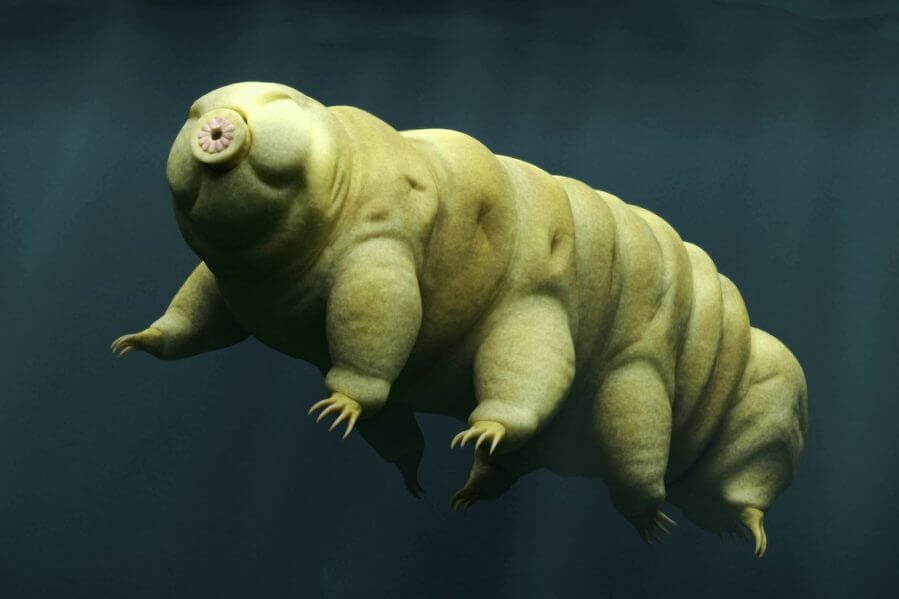
When you think of survival in the animal kingdom, you might picture lions prowling the savannah, bears lumbering through the forest, or even the mighty elephant causing a ruckus in the jungle. But what if I told you that one of the toughest creatures on Earth is a tiny, almost invisible critter known as the water bear, or tardigrade? These minuscule beings, measuring about 0.5 millimeters in length, are making big waves in the scientific community for their remarkable resilience and unique biological features. And believe it or not, their secrets could hold the key to improving lifesaving drugs like insulin. So, grab a comfy seat and let’s dive into the fascinating world of water bears and how they might revolutionize medicine.
First things first, what exactly is a water bear? Tardigrades are microscopic, water-dwelling animals that can survive extreme conditions that would obliterate most life forms. They have been found in some of the most inhospitable places on Earth, including the deep sea, high mountain ranges, and even in the frozen tundra. They can withstand extreme temperatures, from nearly absolute zero to over 300 degrees Fahrenheit, endure pressures that would crush submarines, and survive in the vacuum of space. If there’s a survival challenge, the water bear seems to have it covered.
But how do these little guys manage to pull off such remarkable feats? The answer lies in their unique biological adaptations. Water bears can enter a state called cryptobiosis, where they essentially shut down their metabolism and dehydrate themselves to the point of almost losing all their water content. In this state, they can survive without food or water for years, if not decades. When conditions improve, they can rehydrate and spring back to life, ready to munch on moss or lichen once again. This incredible ability to withstand extreme conditions could have significant implications for the preservation and stability of drugs, particularly those that require specific storage conditions, like insulin.
Insulin is a lifesaving hormone that regulates blood sugar levels for people with diabetes. It’s typically stored in a cool, controlled environment to maintain its stability and efficacy. However, many patients may not have consistent access to refrigeration, especially in low-resource settings. This is where the water bear comes into play. Researchers are investigating whether the protective mechanisms that allow tardigrades to survive extreme dehydration could be harnessed to develop more stable formulations of insulin. Imagine a world where insulin could be stored at room temperature for extended periods without losing its effectiveness! This would be a game-changer for millions of people who rely on this hormone every day.
One of the key players in the water bear's survival strategy is a unique protein called trehalose. This sugar protects the cells of tardigrades during desiccation, preventing damage to their cellular structures and proteins. Scientists are looking at how trehalose and similar compounds could be incorporated into insulin formulations to enhance their stability. By mimicking the water bear's natural protective strategies, we could create a new generation of insulin that remains effective even under less-than-ideal storage conditions.
But it’s not just insulin that could benefit from the water bear's secrets. The pharmaceutical industry is always on the lookout for ways to improve drug delivery and stability. Many vaccines and biologics are sensitive to temperature and humidity, which can affect their potency and effectiveness. By studying the mechanisms behind cryptobiosis, researchers hope to develop new formulations that could withstand harsh conditions, making them more accessible to people around the globe.
In addition to trehalose, tardigrades also produce unique proteins called protective cuticle proteins. These proteins help shield their cells from damage during extreme environmental stresses. By understanding how these proteins work, scientists could create better drug delivery systems that protect sensitive compounds from degradation. This could be particularly beneficial for biologics, which are often more fragile than traditional small-molecule drugs.
The concept of using biological models to improve human health is not new. Scientists have long looked to nature for inspiration, a field known as biomimicry. From Velcro, inspired by burrs sticking to clothing, to the development of stronger materials by mimicking spider silk, nature often provides the best solutions. The water bear is yet another example of how exploring the wonders of the natural world can lead to innovative breakthroughs in medicine.
Moreover, the research into tardigrades is also pushing the boundaries of our understanding of life itself. The ability of these creatures to survive extreme conditions raises intriguing questions about the potential for life on other planets. If tardigrades can withstand the vacuum of space and survive cosmic radiation, what other forms of life might exist beyond Earth? While this might seem like a tangent from insulin and drug development, it emphasizes the broader implications of studying such resilient organisms.
As scientists continue to delve into the biology of the water bear, we are likely to see a surge in new applications in medicine and biotechnology. The potential to develop more effective and stable medications could change the landscape for disease management and treatment. Imagine a future where insulin is not only more accessible but also more effective due to these advancements. The possibilities are endless!
In conclusion, the tiny water bear is a powerhouse of survival that holds incredible potential for improving lifesaving drugs like insulin. By studying its unique adaptations, researchers are paving the way for more stable and effective medications that could transform the lives of millions of people around the world. From trehalose to protective proteins, the secrets of the water bear could lead to groundbreaking advancements in drug formulation and delivery. As we continue to explore the wonders of the natural world, who knows what other incredible discoveries await us? The journey is just beginning, and the tiny water bear is leading the charge toward a healthier future. So next time you hear about this remarkable creature, remember that it’s not just a tiny survivor; it’s a potential game-changer for medicine and beyond!