



















































Metamorphosis by Franz Kafka
Metamorphosis by Franz Kafka
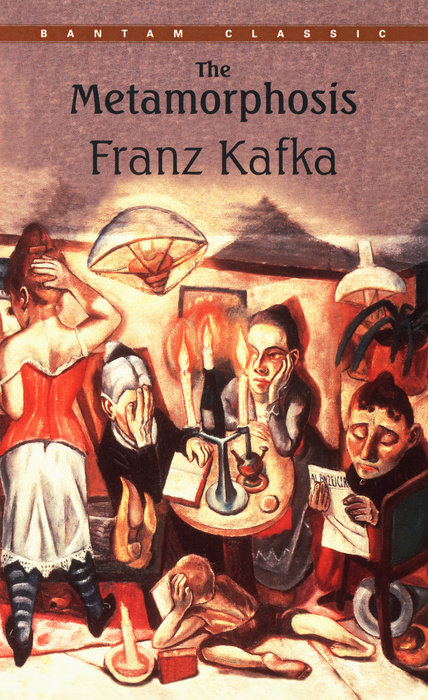
The Unraveling of Existence: A Summary of Metamorphosis by Franz Kafka
Franz Kafka's "Metamorphosis" is a profound exploration of alienation, identity, and the human condition, woven into the fabric of a surreal narrative. The story begins with Gregor Samsa, a traveling salesman who wakes up one morning to find himself transformed into a gigantic insect. This shocking premise sets the stage for a tale that delves deep into the themes of isolation and the absurdity of life.
As Gregor struggles to comprehend his new form, his initial concern is not for his own predicament but for the impact his transformation will have on his family. He worries about missing work and the financial strain his change will place on them. This moment reveals the essence of Gregor’s character—he is deeply entrenched in his role as the breadwinner, and his identity is tied to his ability to provide for his family. Kafka masterfully illustrates the conflict between personal identity and societal expectations through Gregor's internal turmoil.
As the days pass, Gregor’s physical transformation leads to a gradual disconnection from his family. Initially, they are horrified but also curious about his new form. However, as Gregor struggles to adapt, their sympathy wanes. His sister Grete, who once showed compassion, begins to resent the burden her brother has become. The family's initial attempts to care for him devolve into neglect and disdain, reflecting their growing alienation from Gregor as he becomes less recognizable, both physically and emotionally.
Kafka's narrative captures the essence of existential despair as Gregor's existence becomes increasingly meaningless. He is trapped in a body that no longer aligns with his sense of self, rendering him powerless and voiceless. The walls of his room, once a safe haven, turn into a prison that mirrors his internal conflict. The isolation he experiences is not just physical but profoundly emotional, as the bonds with his family deteriorate. The story serves as a poignant reminder of how easily human connections can fray under the weight of misunderstanding and fear.
The climax of the story arrives when Gregor’s family decides to rid themselves of him, viewing him as nothing more than a burden. In a heartbreaking turn of events, Grete declares that they must get rid of the "monster" that Gregor has become. This moment encapsulates the ultimate betrayal, as the family turns against the very person who once devoted his life to their welfare. The irony of Gregor’s transformation is that he becomes a burden not because of his physical form but due to the shifting perceptions of those he loves.
In the end, Gregor dies alone in his room, a tragic figure who has lost all semblance of his former self. His death is met with relief by his family, who are eager to move on with their lives. They are finally freed from the weight of his presence, illustrating the stark reality of human relationships colored by societal expectations and personal failures. Kafka leaves readers with a haunting sense of the fragility of identity and the deep-seated fears that accompany the human experience.
"Metamorphosis" is not merely a tale of physical transformation; it is a powerful commentary on the alienation that can arise within families and society at large. Kafka masterfully intertwines the surreal with the mundane, inviting readers to reflect on the complexities of existence, the nature of empathy, and the often-painful journey of self-discovery. Through Gregor Samsa’s tragic fate, Kafka challenges us to confront our own metamorphoses and the ways we connect—or disconnect—from one another.Metamorphosis by Franz Kafka